Artistic approach
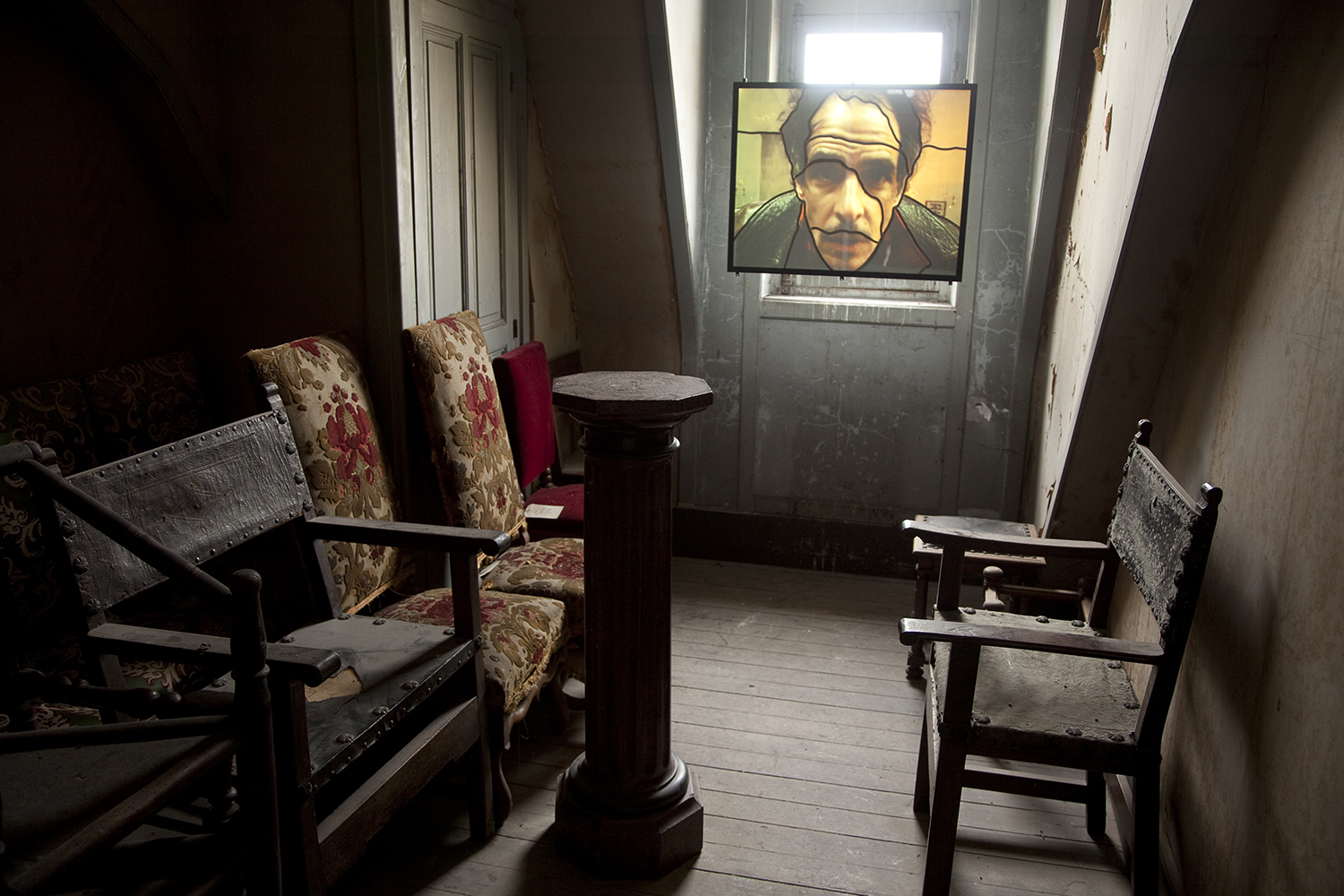
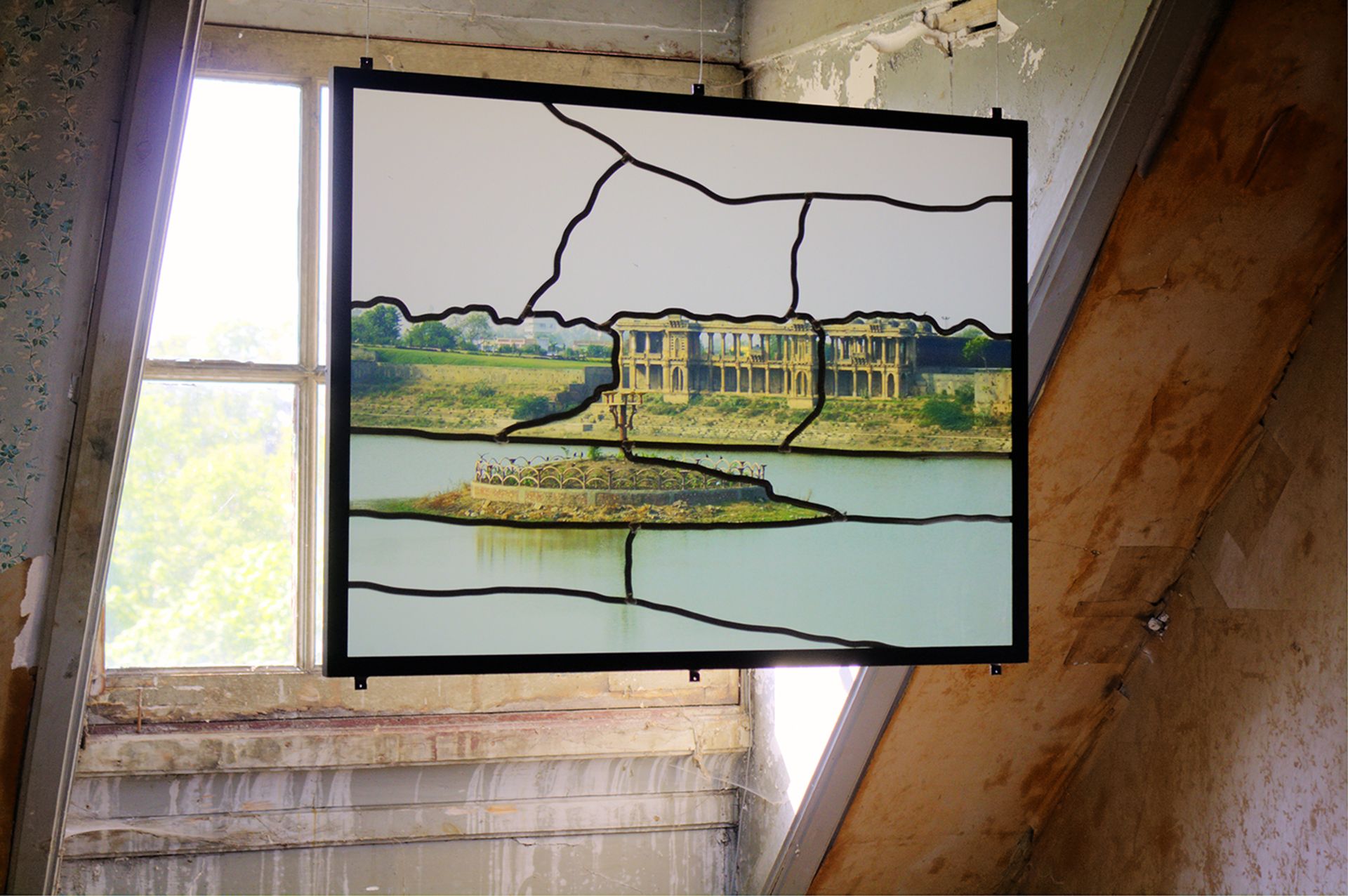
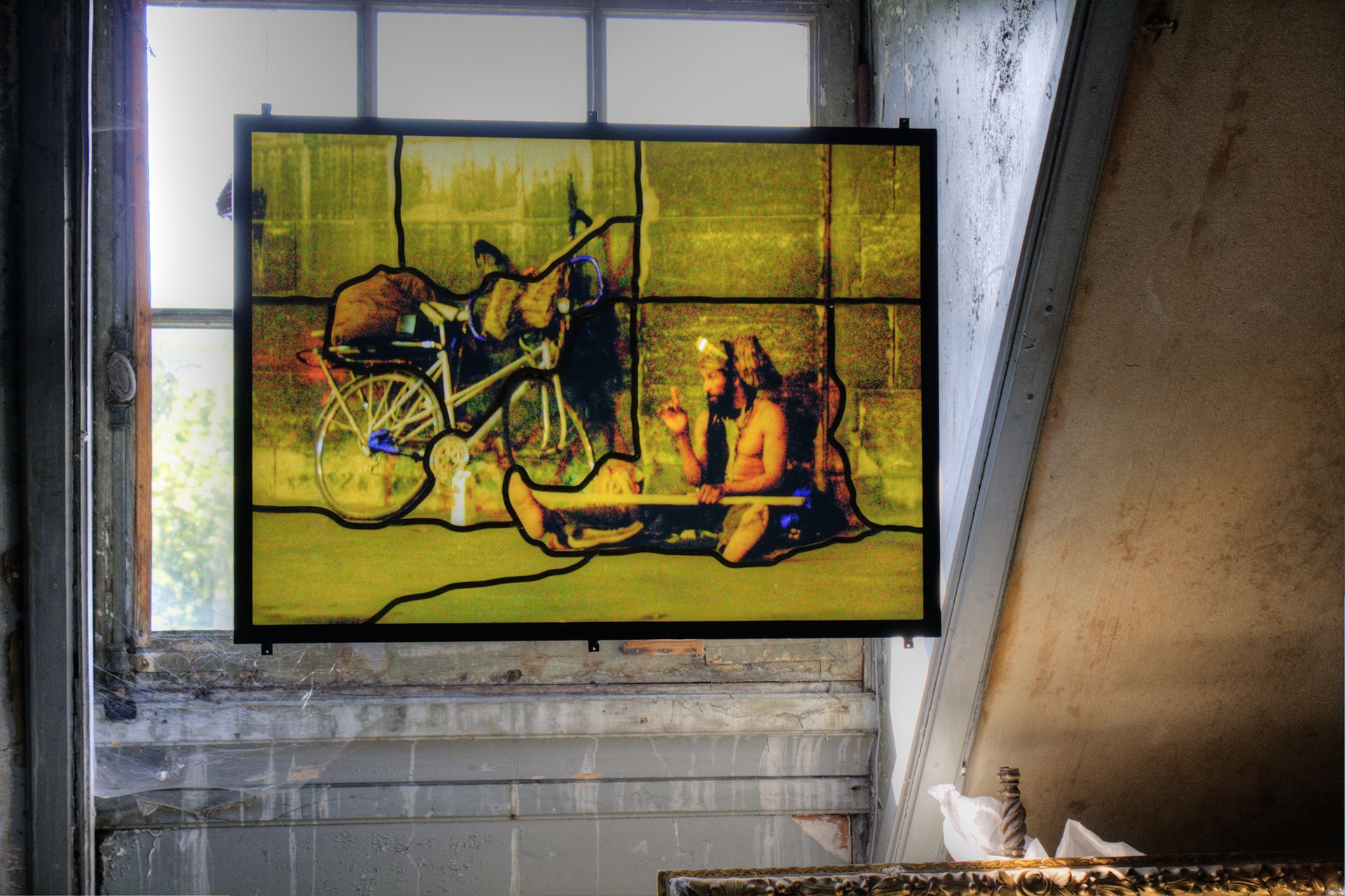
The second of the Centre-Val de Loire Region's three-year commissions for the Domaine de Chaumont-sur-Loire was entrusted to Sarkis (2011-2013). Sarkis left 12 of the 72 stained-glass windows he designed specially for the Estate.
Imbued with a profound humanism, Sarkis's output consists of stagings of objects, sculptures, watercolours, photographs and films made by the artist himself, full of historical, philosophical, theological, artistic and geopolitical references. They constantly seek to build a bridge between the works of the past and today's world. Whether artworks or monumental works intended for city neighbourhoods, each is a place he takes possession of in a different way every time (materials, light, colours).
Sarkis designed this path of light as an initiatory journey, a mental route along which visitors build their own story. He placed his glass works in front of the windows of the former servants' bedrooms in the Château. These stained-glass windows, depicting life and death, love and architecture, are snapshots of bygone pasts and visions of the future. Sarkis sets images of age-old techniques against images of everyday life.
These stained-glass windows are transformed by the ever-changing light. At night they are lit by LEDs, which take over the role of daylight.
BIOGRAPHICAL NOTES
Sarkis
TURKEY
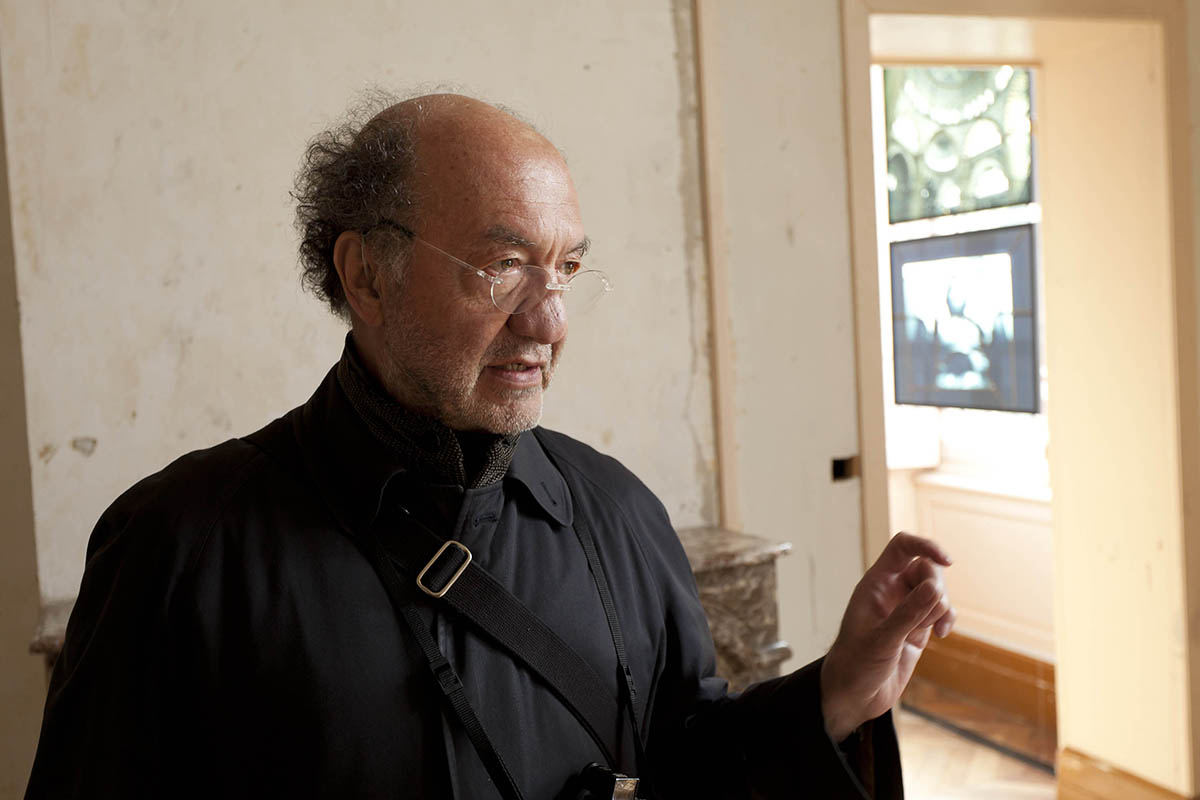
Sarkis was born in 1938 in Istanbul, Turkey. He lives and works in Paris.
A graduate of the Mimar Sinan Academy of Fine Arts in Istanbul, Sarkis had his first exhibition at the Istanbul Art Gallery in 1960, before settling in Paris in 1964. He works in a variety of media and, by the end of the 60s, had become an icon of contemporary art, particularly with his installations.
In 2010, during the exhibition Passages at the Centre Pompidou in Paris, Sarkis’s installations entered into dialogue with the works of Kasimir Malevich, André Breton and Joseph Beuys, one of Sarkis’s role models. Passages evokes on the one hand the idea of a permanent passage from the studio to the museum, and on the other recalls Walter Benjamin’s covered (shopping) arcades of Paris.
His works, in which the artist uses his 'Kriegsschatz' (German for war treasure), are made up of found objects, art objects and ethnic objects from a variety of cultures.
In 2011, the Musée d’Art Moderne et Contemporain in Geneva (Switzerland) devoted a major retrospective to the artist’s work, entitled Hôtel Sarkis.
In 2012, Sarkis presented Ballads at the invitation of the Museum Boijmans Van Beuningen and the Port of Rotterdam (Netherlands), followed by Ailleurs, Ici at the Domaine de Chaumont-sur-Loire. The same year in Paris, Sarkis took part in La Triennale – Intense Proximité at the Palais de Tokyo and in “Néon, who’s afraid of red, yellow and blue?” at the Maison rouge – Fondation Antoine de Galbert, as well as in the Istanbul Modern exhibition at the Museum Boijmans Van Beuningen in Rotterdam (Netherlands).
In 2013, during the 55th Venice Biennale, Sarkis featured in the exhibition When attitudes become form: Bern 1969/Venice 2013 at the Fondazione Prada (Venice, Italy), a “restaging” of the historic 1969 exhibition at the Kunsthalle Bern (Switzerland) Quand les attitudes deviennent formes (When attitudes become form: live in your head). Sarkis had already been invited to that exhibition at the time by the famous art historian and curator of the Swiss exhibition, Harald Szeemann.
In 2014, the Museum of the Château des Ducs de Wurtemberg in Montbéliard devoted a major solo exhibition to him.
In 2015, at the 56th Venice Biennale (Italy), Sarkis was invited to represent the Turkish Pavilion as its artist and took part in the Armenity exhibition at the Pavilion of the Republic of Armenia, which won a Golden Lion. In September he exhibited at the 14th Istanbul Biennial (Turkey) and was also the guest of the Villa Empain - Fondation Boghossian in Brussels (Belgium) for the exhibition Sarkis with Paradjanov.